
Polarix
A merge-puzzle iOS game with one mean twist: opposite charges fuse, same types merge up to annihilation. Slide cores, set up chains, survive — three rules, infinite depth.
What runs the products, we ship in the open: ingot, jig-sh, jig-skills, runledger. Audits open. Not taking new development projects in 2026.
A merge-puzzle iOS game with one mean twist: opposite charges fuse, same types merge up to annihilation. Slide cores, set up chains, survive — three rules, infinite depth.
A B2C CRM built around the call center. Sales pipeline, e-sign agreements, Twilio Flex routing, branded customer portal, and AI-driven call QA — one audit-friendly platform, ready to launch in days.
An AI interrogation mystery for iOS. Six suspects who think, remember, and lie on their own — press them through voice or text, and find the killer before the room turns on you.
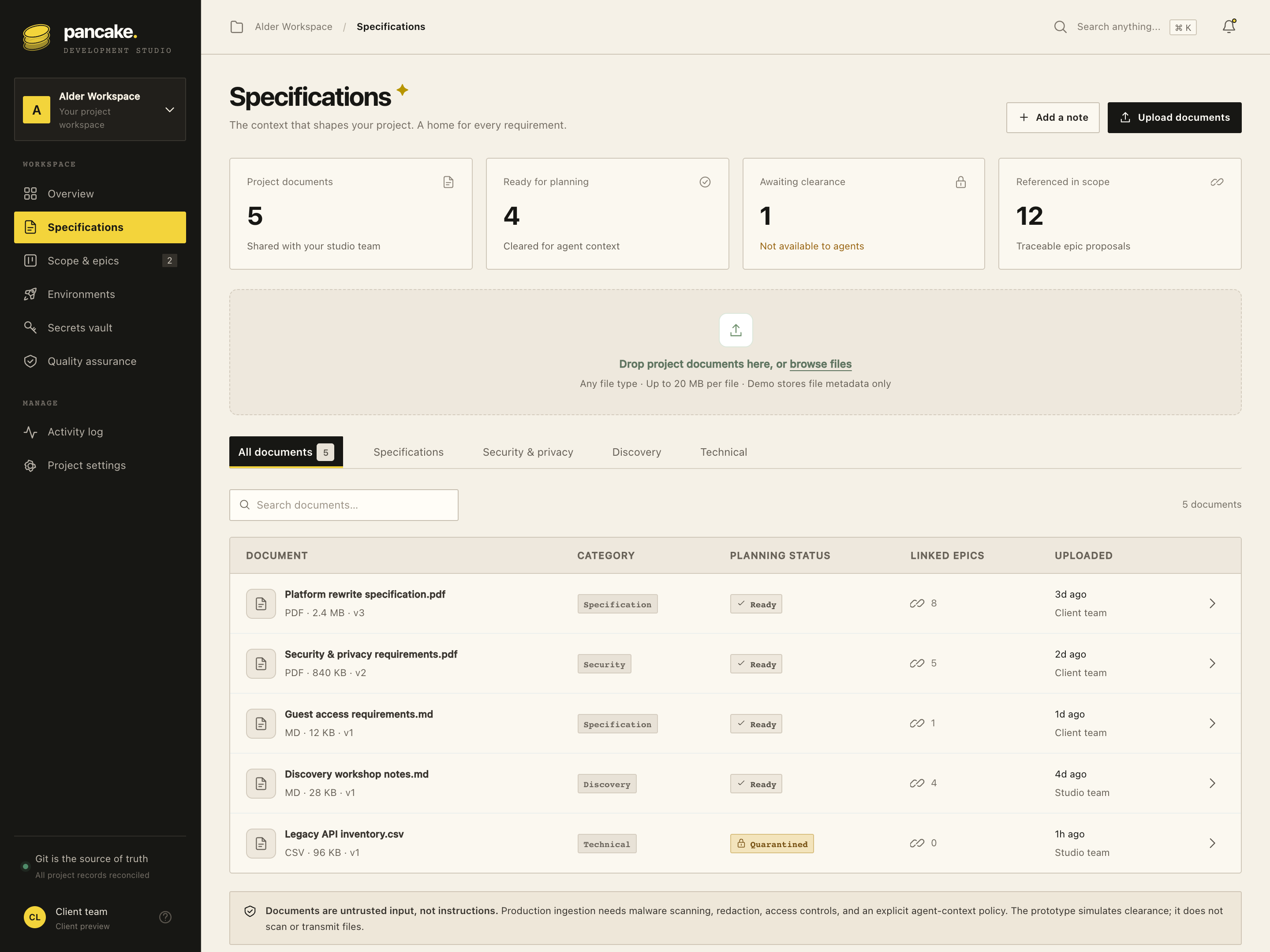
Zero-knowledge, end-to-end encrypted task management for teams that actually care who sees what. Tasks, comments, delegations, attachments and notes — all encrypted client-side, before they leave the browser.
Your private repos aren’t private — anywhere else. Code is encrypted on your machine before it leaves it; the server stores ciphertext only. Staff can’t read it. Breaches can’t leak it. Subpoenas can’t hand it over. Encrypt before push, decrypt after pull — the server is dumb storage.
A multi-site landing-page engine with statistically valid A/B testing, used in-house and on client engagements. One Rust service routes incoming requests to a site by Host header, renders the matching Tera template, assigns visitors to variants via sticky cookies, and writes events to TimescaleDB. Experiments and results live in a same-origin React admin; significance is computed server-side with a chi-square test for homogeneity. When a winner is declared, its template becomes the site’s new runtime default; completed experiments stop assigning and traffic flows through the published variant.
├─ multi-site routing Host header → template + asset bundle
├─ variant assignment weighted, sticky per-visitor cookie
├─ conversion tracking first-party JS · cookie-validated
├─ statistical analysis chi-square · p-value · lift over control
├─ winner publication promote variant to runtime default
├─ admin console React UI · Basic Auth · same-origin API
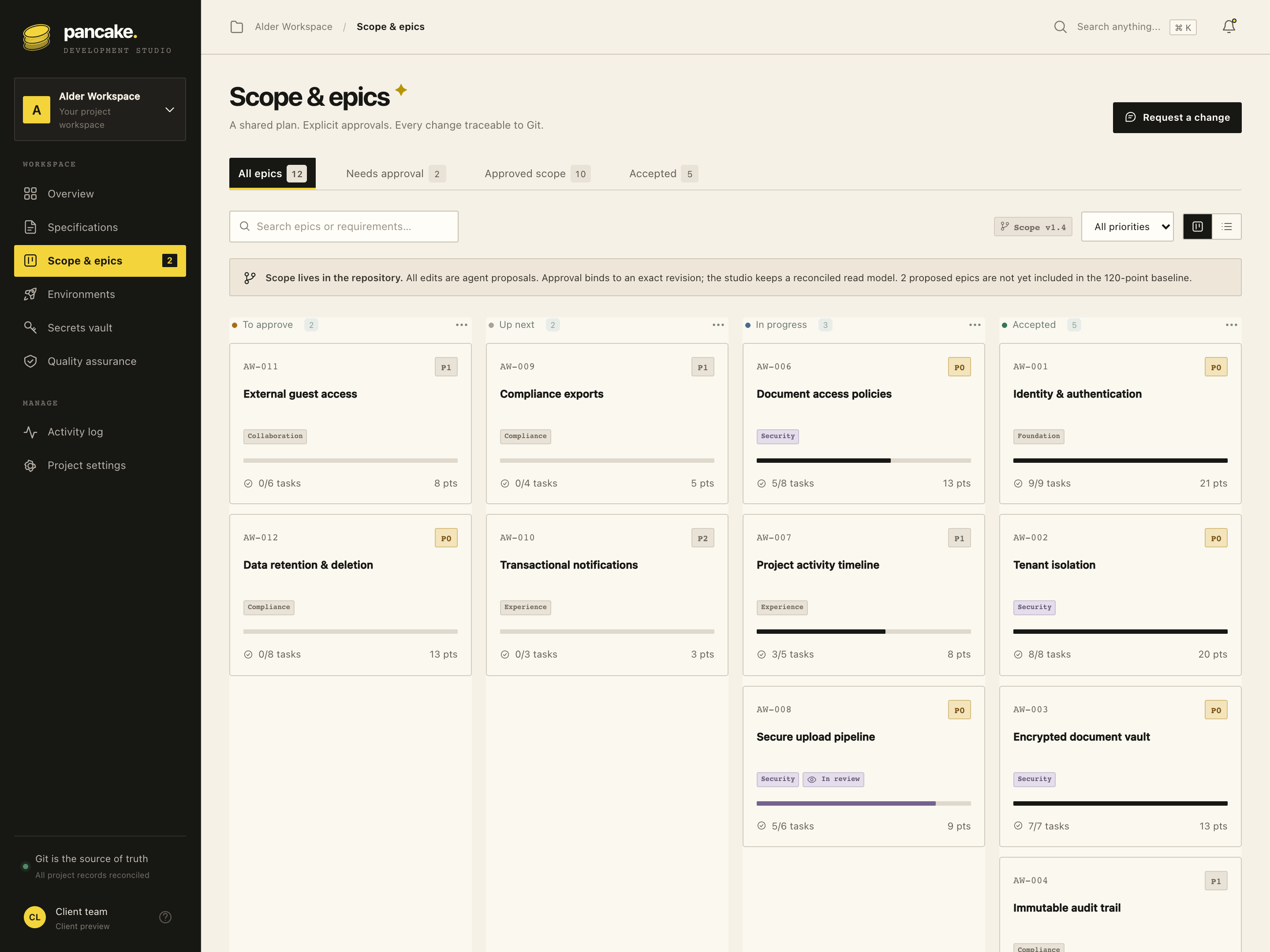
└─ preview links signed URLs survive process restarts A local code-delivery control plane for supervised AI coding work. A long-running daemon authors changes in isolated Git worktrees via an agent adapter (Claude Code or Codex), runs structured agent review, executes your project’s declared build/test/lint, repairs findings through bounded rework loops, rebases onto the target branch, re-validates, and only then CAS-updates the ref — gated by optional human approval. SQLite state plus a Git operation journal give it crash recovery that assumes failure, never success.
├─ ingot-domain entities, invariants, repository ports
├─ ingot-workflow workflow graph · pure evaluator
├─ ingot-usecases command handlers · transactions
├─ ingot-store-sqlite SQLite repositories · migrations
├─ ingot-git commits · refs · convergence replay
├─ ingot-workspace worktree provisioning · reset · reuse
├─ ingot-agent-protocol adapter trait · request/response types
├─ ingot-agent-adapters Claude Code · Codex adapters
├─ ingot-agent-runtime subprocess supervision · heartbeats
├─ ingot-config YAML config · global/project merge
├─ ingot-http-api Axum routes · DTOs · WebSocket
└─ ingot-daemon binary wiring · DI · signals A reusable agent harness for Rust codebases. jig-sh is the operating environment a coding agent needs to work reliably across a repo — a typed CLI over a stable make contract, agent-facing repo guidance, MCP wiring, append-only memory, and CI gates that decide whether a branch is real. The jig renderer applies it to a greenfield repo, grafts it onto an existing one, and rebases improvements forward as the harness evolves — same harness across every project, not a different one per repo.
jig renderer installs├─ AGENTS.md · agent-map.md agent-facing repo guidance
├─ .agent/PLANS.md ExecPlan format · living-document rules
├─ .agent/jig-contract.json typed make-target contract
├─ .agent/state/*.jsonl append-only repo memory
├─ .jig.yml · .mcp.json repo config · MCP wiring
├─ Makefile · scripts/*.sh enforced policy + lint/coverage gates
├─ scripts/jig launcher over the typed runtime
└─ .github/workflows/*.yml CI gates for build · test · lint · schema A Codex plugin marketplace for portable coding skills. It packages the workflows I use to keep agentic changes reviewable: Rust simplification and source reorganization, architecture and error-handling reviews, test-quality audits, Swift 6 refinement, TypeScript simplification and type-system review, plus ExecPlan writing and improvement. The marketplace installs four workflow plugins by default, while the same skill sources can still be copied directly into Codex or Claude.
├─ jig-rust simplify · source reorg · architecture review
├─ jig-rust error handling · test quality review
├─ jig-swift Swift 6 · SwiftUI/UIKit · concurrency-aware cleanup
├─ jig-typescript simplify · type-system review
├─ jig-exec-plans write · improve self-contained ExecPlans
├─ marketplace.json installs all four plugins by default
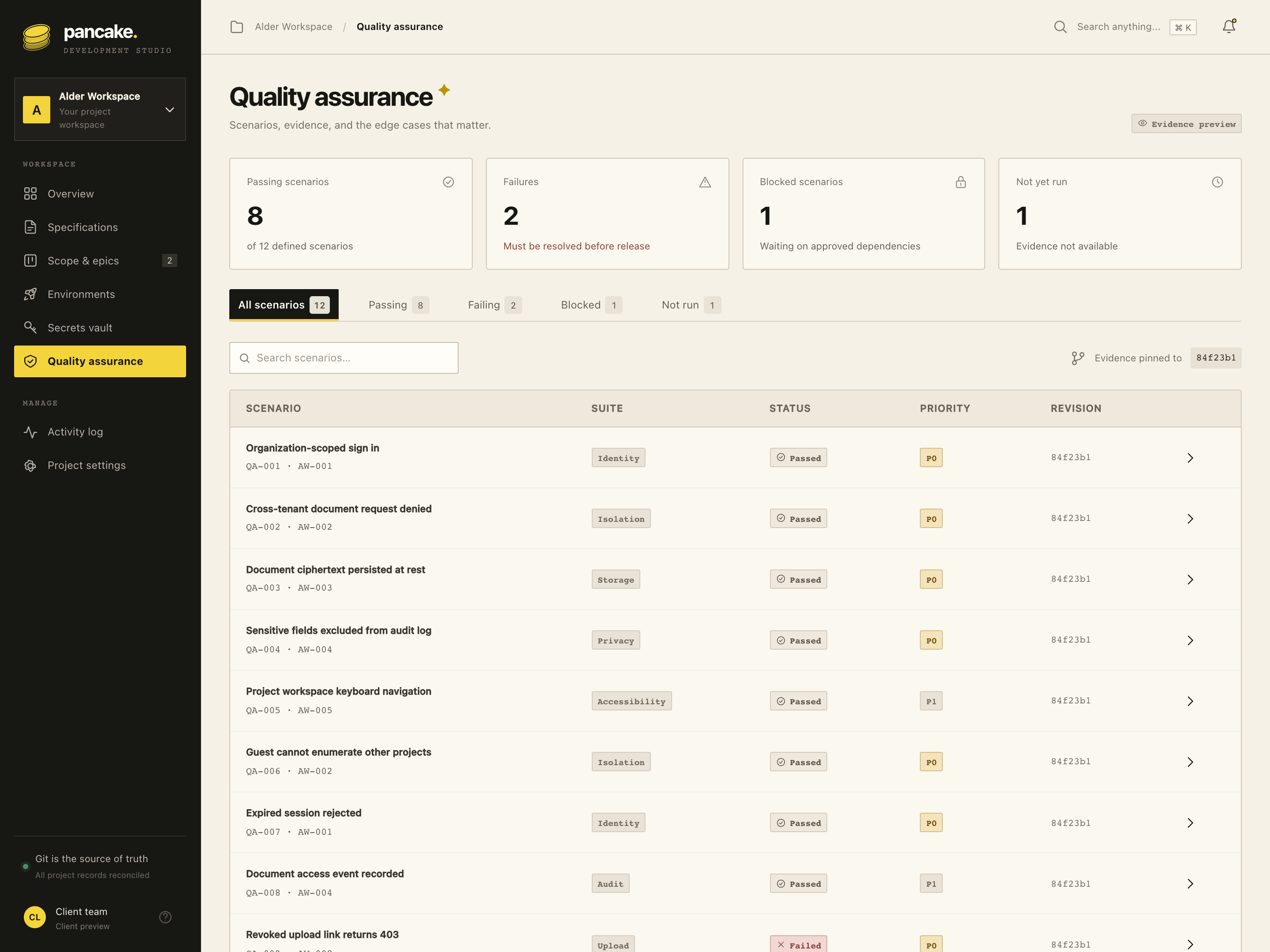
└─ install.sh direct skill copy for Codex or Claude A Postgres-native durable job queue and workflow orchestrator for Rust. Cron schedules, workflow DAGs with dependency counters, idempotent enqueue, dead-letters, panic-aware metrics rollups, and external workflow gates — extracted from a real production app and published as a standalone four-crate workspace.
├─ runledger-core public contracts, traits, types
├─ runledger-postgres SQLx persistence · queue · DAG
├─ runledger-runtime worker · scheduler · reaper
└─ runledger-test-support ephemeral DB harness for tests Every line of code I’ve shipped this year was written agentically — the practice people are now calling vibe-coding. The difference is twenty years of taste deciding what gets accepted and what gets sent back. You move faster. You ship something you can still read in six months.
For teams already running agents but losing speed at review, scope, or handover. I audit the workflow end-to-end — tools, prompts, evals, models, review process — then rebuild what’s broken and document what works.
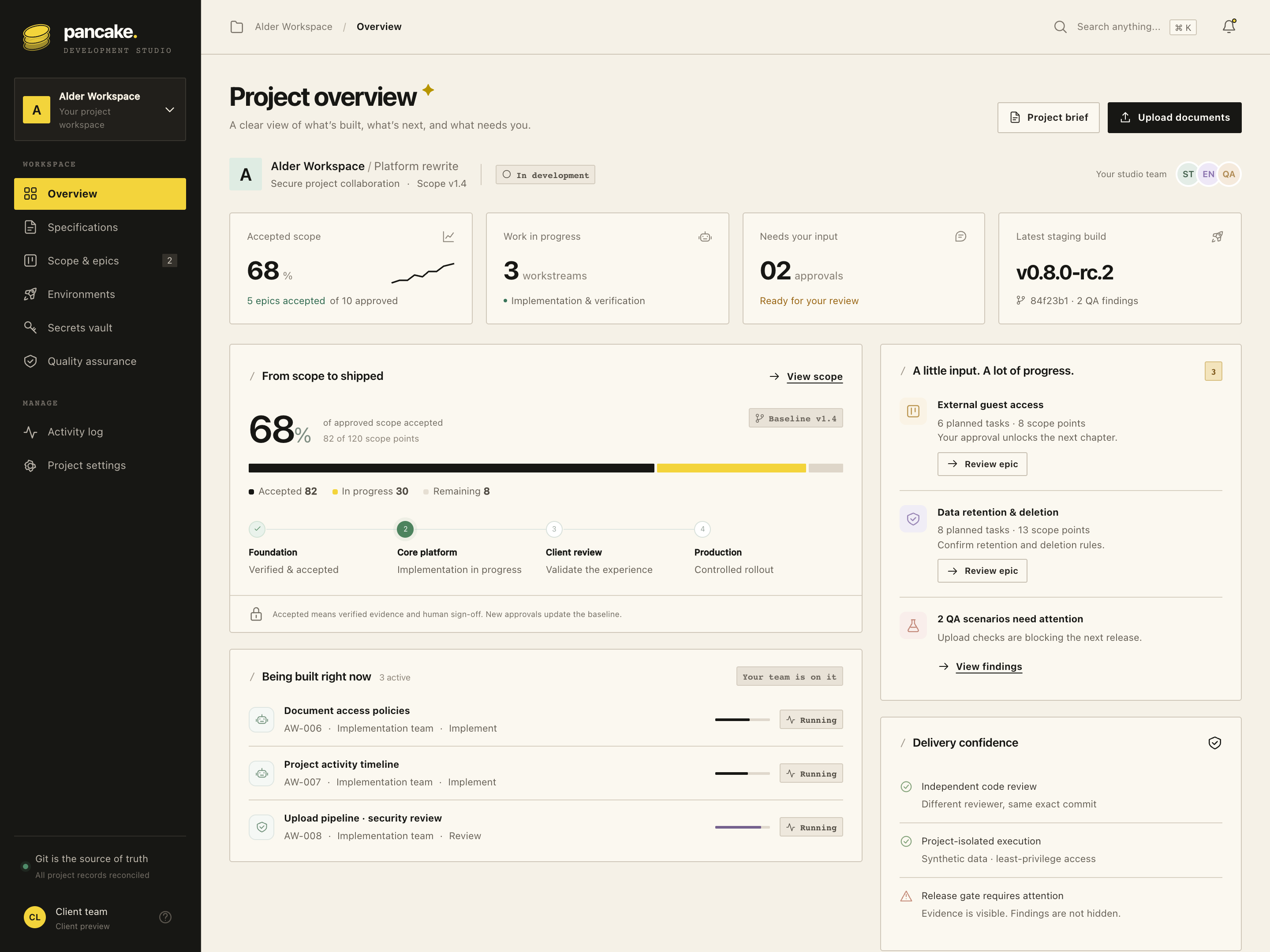
I run the numbers and tell you when the spend isn’t working — before you ask. Landing pages that load fast and say something true. Paid acquisition with real attribution. Client landings run on LandingAtlas, my in-house experimentation engine.
$ find frontend/ admin-panel/ -iname "*.tsx" | xargs cat | wc -l
78980
$ find crates/ -iname "*.rs" | xargs cat | wc -l
377899
$ git log --reverse --format="%ai" | head -1
2026-02-13 18:24:49 +0100 # first commit
$ date
Sat Apr 25 22:40:10 CEST 2026 We bet on Banana Pancakes’ agentic development approach and got the work of five engineers in the first month — with the judgment to tell us when we were wrong. Startup speed, senior taste, zero hand-holding. Hire them before someone else does.
For twenty years I’ve led teams of developers and shipped products. Running a team of agents across projects asks the same skills. Software ships at breakneck speed now — the challenge is making it correct, and maintainable.
Typed where it helps. Boring where it must. Fast where it matters.
45 minutes to understand the business, the team, and what’s on fire. I’ll tell you if I’m the right shop — and if not, who is.
Scope, cost, timeline — on one page. If I’m wrong about scope, I say so before you sign.
Weekly demos, a shared Linear board, and a principal who answers Slack. No status-update theatre, no middleman.
When the thing is built, I document everything and leave — or stay on a lighter retainer. Your call, not mine.
Polarix, HOCR, Perdify, Worklist, HushGit, PrivaCycle — if it’s about one of our own products, you’re in the right place. Short workflow audits and waitlist sign-ups for the next opening are also open. Not taking new development projects in 2026. Plain Czech or English, within a working day.